
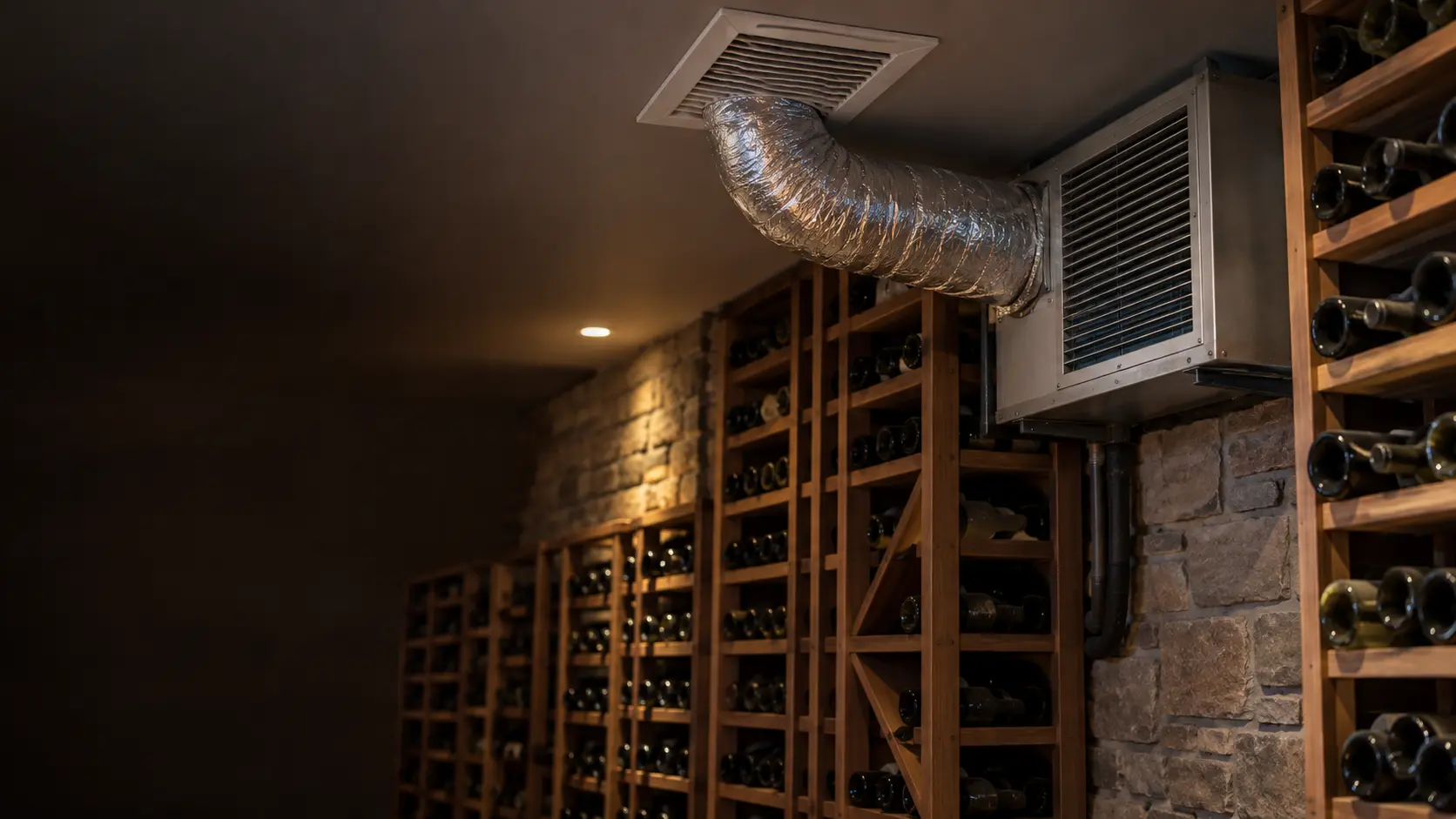

Which system suits the room, and keep or replace
Choosing and comparing
guides.
Through-the-wall, ducted or split, how big a unit a cellar really needs, and whether an aging cellar system deserves another repair or makes way for a new one.
Mon–Sat, 8am–8pm
- Three guides
- Read before you book
- Says where to stop
Book a visit
Three short steps, about a minute.
or call (844) 398-5977
Loading appointment form…
The appointment form couldn’t load. Please try again.
Choosing and comparing,
guide by guide.
A cellar cooling unit is chosen once and lived with for many years, usually by someone who did not build the room around it. The guides in this section are for owners planning a new cellar, owners whose existing unit has started to struggle, and anyone holding a repair estimate and wondering whether new equipment would be the better use of the money.
All 18 guides
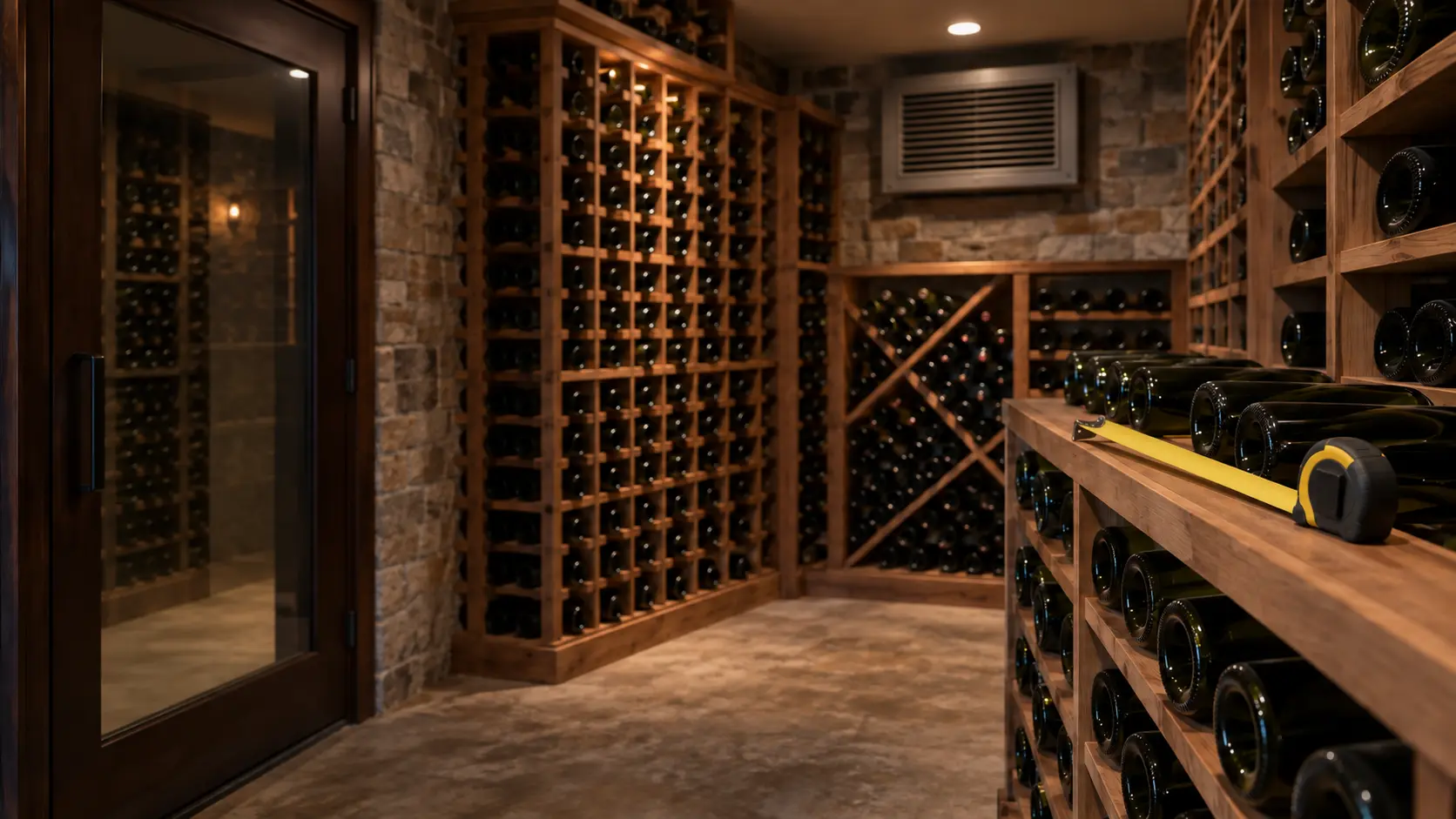

Which system suits the room, and keep or replace.
They compare layouts and decisions rather than makers: a self-contained unit set through a wall against a ducted cabinet in a mechanical room, a split system with its compressor outdoors, a ceiling evaporator that drains through a pump. Figures come from the manufacturers' own installation and owner's manuals, named beside each claim, so you can check them against the equipment you are considering.
Three questions run through all of them. Where will the heat go once it leaves the cellar? How much heat will the room actually let in once glass, doors and the surrounding space are counted? And what will this equipment need years from now, when a fan tires, a drain clogs or refrigerant work is due?
We write from the service side, so these pages say less about finishes and more about access panels, drain routes, clearances and line sets. Those details rarely appear in a brochure and always come up on a service visit, and knowing them before a purchase can save the cellar a difficult summer.
Not sure where to start?The short answerThrough-the-wall, ducted or split: where the cellar's heat should go
The types of wine cellar cooling systems differ mainly in where the heat goes.
The short answerSizing a cellar cooling unit: heat load, not cubic feet
Sizing a wine cellar cooling unit means matching its rated output, in BTU per hour at your cellar temperature, to the room's heat load.
The short answerRepair or replace a cellar cooling unit: check the room before the machine
Whether to repair or replace a wine cellar cooling unit depends on three things: which part failed, whether the room caused it, and what kind of system it is.
When reading
is not enough.
If the checks in these guides did not settle it, the visit picks up from there, stop by stop.
What repairs cost- 01The room and the unit, both measured
- 02The cause and the figure, before any work
- 03Common cellar parts in the van
- 04The cellar heading back to 55°F
The problems
these answer.
Each has a page of its own, with the causes in the order worth checking.
All 17 problems



Questions about
choosing and comparing.
Which kind of cellar cooling system is most common in homes?
Can I size a unit from cubic feet alone?
Is repair usually cheaper than a new unit?
Do these guides recommend particular manufacturers?
The other
sections.
Split by what you are trying to find out rather than by which part of the appliance it concerns.
All guides
Maintenance and prevention
The collection, power and water

Installation and setup
Start from your question
The four questions most visits start with, each with the guide that answers it.
18 guidesWhere to start Where to startBack to your everyday
Let’s get your wine cellar cooling unit working again.
Three short steps online, or one call. Tell us what you are seeing and pick a window that works.